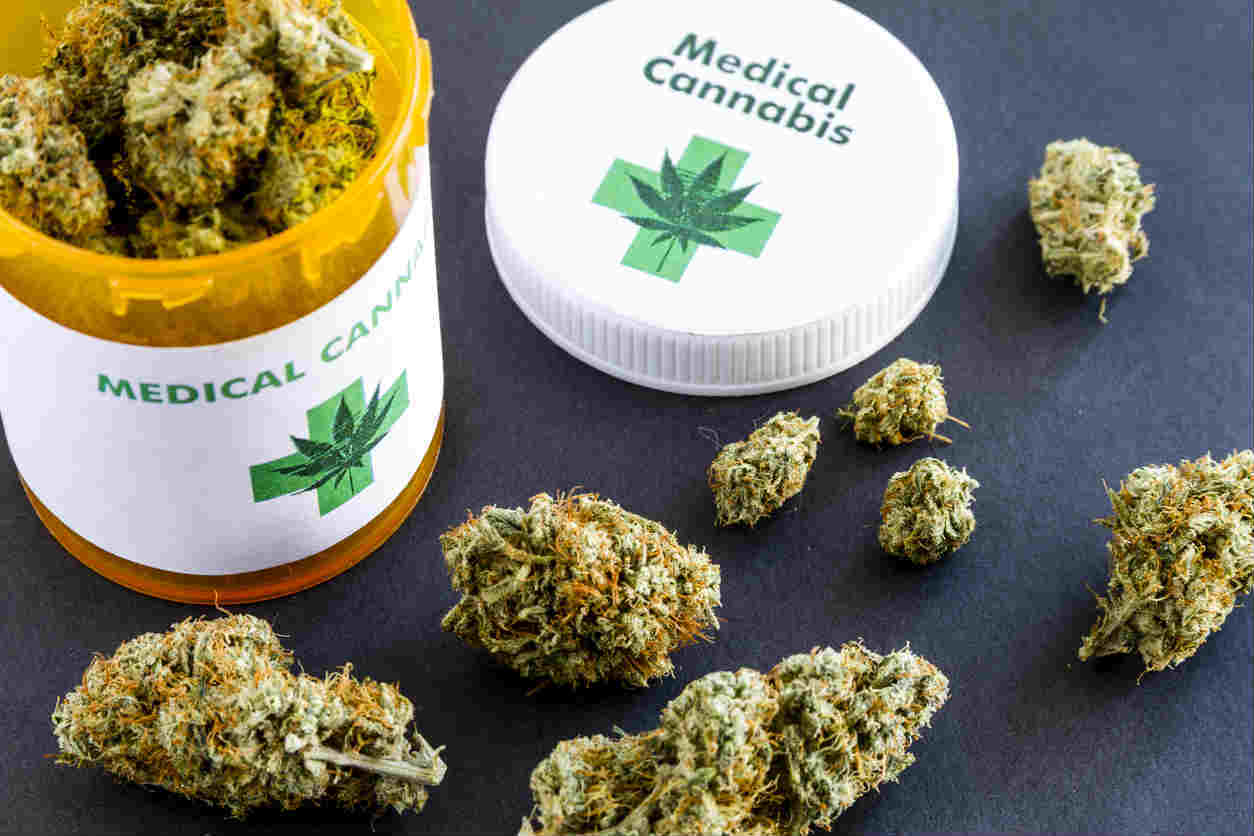
With the New Jersey Medical Marijuana Program serving more than 36,500 patients, questions surrounding the use of cannabis in the workplace are growing exponentially. Considering that there were more than 146 applications to the Department of Health to open Medical Marijuana Dispensaries, and there are now new categories of qualifying debilitating conditions (including anxiety, chronic plain related to musculoskeletal disorders, chronic pain of visceral origin and migraines), as well as a $20 reduced registration fee for veterans, seniors and individuals receiving government assistance, employers must be ready to tackle the various issues that will arise as the use of medical marijuana continues to expand.
One recent development relates to smoking medical marijuana at work. On January 16, 2019, the New Jersey Smoke-Free Air Act went into effect. It defines “smoking” as the “burning of, inhaling from, exhaling the smoke from, or the possession of a lighted cigar, cigarette, pipe or any other matter or substance which contains tobacco or any other matter that can be smoked, or the inhaling or exhaling of smoke or vapor from an electronic smoking device.” The New Jersey Department of Health has confirmed that this definition includes smoking medical marijuana.
Under the Act, smoking is prohibited in any “indoor public place” or “workplace.” The definitions of these areas include commercial office building, theater or concert hall, bar, restaurant, race track, hotel, motel, mall, “structurally enclosed location or portion thereof” and other locations. There are exceptions. For example, a hotel may permit smoking in up to 20% of its guest rooms. The Act does not apply to smoking in private homes and private automobiles. This law will supersede other statutes and municipal ordinances with lesser protection, except in certain circumstances.
Employers should note that the Act requires any entity controlling an indoor place or workplace, as defined by the Act, to place a sign in every public entrance and to “order any person smoking” in violation of the Act to comply with the provisions of the Act. After the first warning, the violator is subject to a fine of no less than $250 for the first offense, $500 for the second offense and $1,000 for each subsequent offense. There is also a civil penalty for violators.
It is important to note that the Act has many nuances that need to be carefully analyzed. We recommend that employers contact a professional for any questions or guidance related to implementing and enforcing their obligations under the Act.
Disclaimer: Possessing, using, distributing and/or selling marijuana or marijuana-based products is illegal under federal law, regardless of any state law that may decriminalize such activity under certain circumstances. Although federal enforcement policy may at times defer to states’ laws and not enforce conflicting federal laws, interested businesses and individuals should be aware that compliance with state law in no way assures compliance with federal law, and there is a risk that conflicting federal laws may be enforced in the future. No legal advice we give is intended to provide any guidance or assistance in violating federal law.
 Partner
Lauren Iannaccone’s broad range of experience in complex commercial transactions allows her to respond to significant emergent matters and assist clients efficiently and effectively. Lauren’s litigation experience ...
